


On the 20th of November 2023 the Portuguese Prime Minister has inaugurated the new building Iscte Knowledge and Innovation.

2023
AVAILABLE SOON!

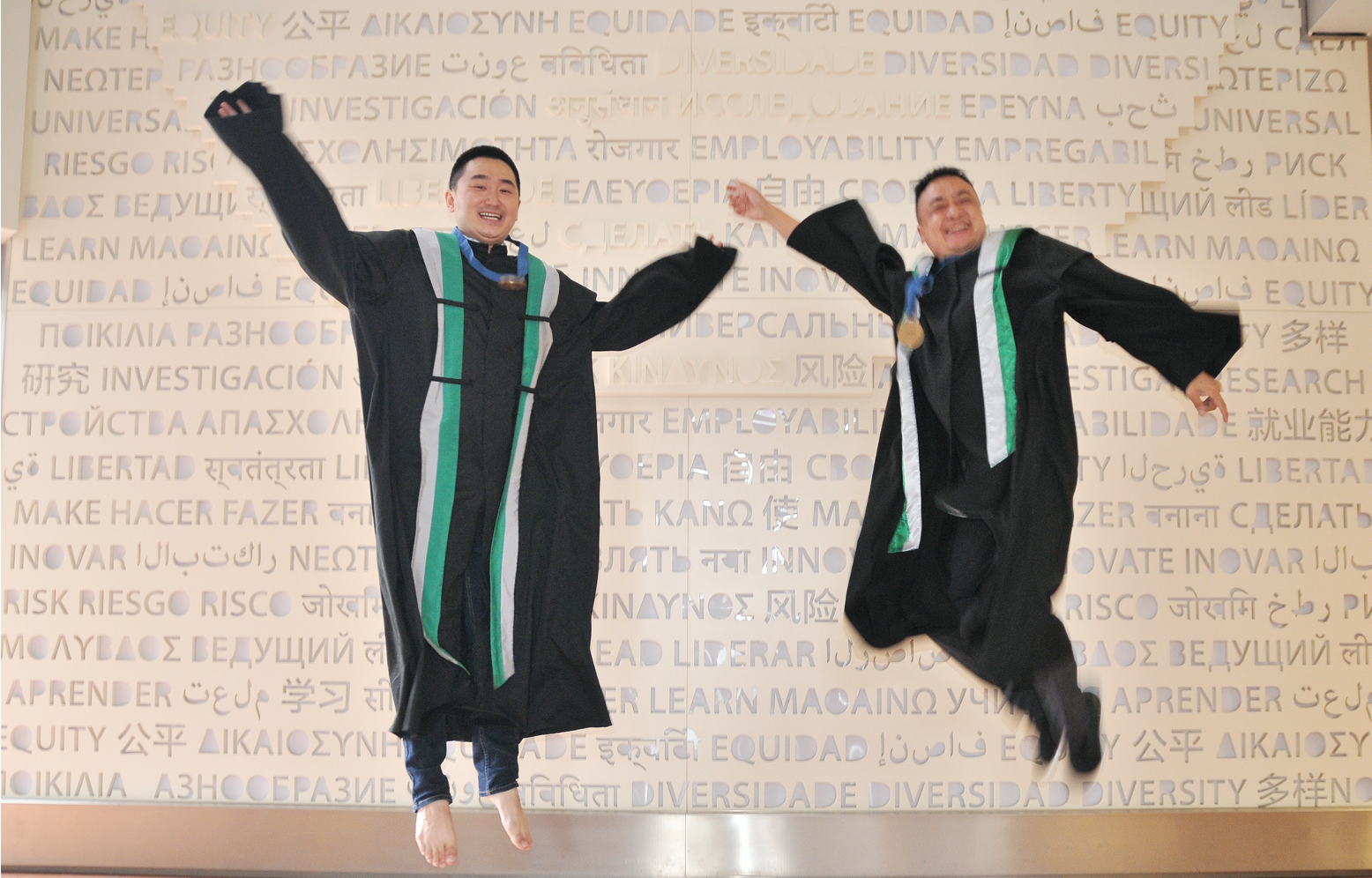
BRU offers World-class Doctoral Programs: PhD in Economics, Finance, Management and a Doctor of Business Administration (DBA Program).

BRU-Iscte offers a dynamic and research-rich environment, with some 125 different researchers, including PhD students, receiving Iscte Scientific Awards for about 380 publications indexed in quartiles 1 and 2 (2013-2018 period).

BRU-Iscte offers a dynamic and research-rich environment, with some 125 different researchers, including PhD students, receiving Iscte


News
Events
What they say about us
My time at BRU-Iscte was amazing! BRU-Iscte was very supportive in providing office space, a computer, and library access. My colleagues were helpful and also incredibly generous with their time outside of work and accompanied us to local social events and even to medical appointments. The Fulbright Office was equally helpful and supportive as I arranged the logistics of my visit. Lisbon is a beautiful city and a cultural gem. We were able to visit various destinations around Portugal and experience this fabulous country, its culture, food, and many wonders. I met some fabulous colleagues with whom I look forward to future research collaborations. I will treasure my memories of BRU-Iscte, Lisbon, Portugal, and most of all, the new friends I made.
My time at BRU-Iscte was amazing! BRU-Iscte was very supportive in providing office space, a computer, and library access. My colleagues were helpful and also incredibly generous with their time outside of work and accompanied us to local social events and even to medical appointments. The Fulbright Office was equally helpful and supportive as I arranged the logistics of my visit. Lisbon is a beautiful city and a cultural gem. We were able to visit various destinations around Portugal and experience this fabulous country, its culture, food, and many wonders. I met some fabulous colleagues with whom I look forward to future research collaborations. I will treasure my memories of BRU-Iscte, Lisbon, Portugal, and most of all, the new friends I made.
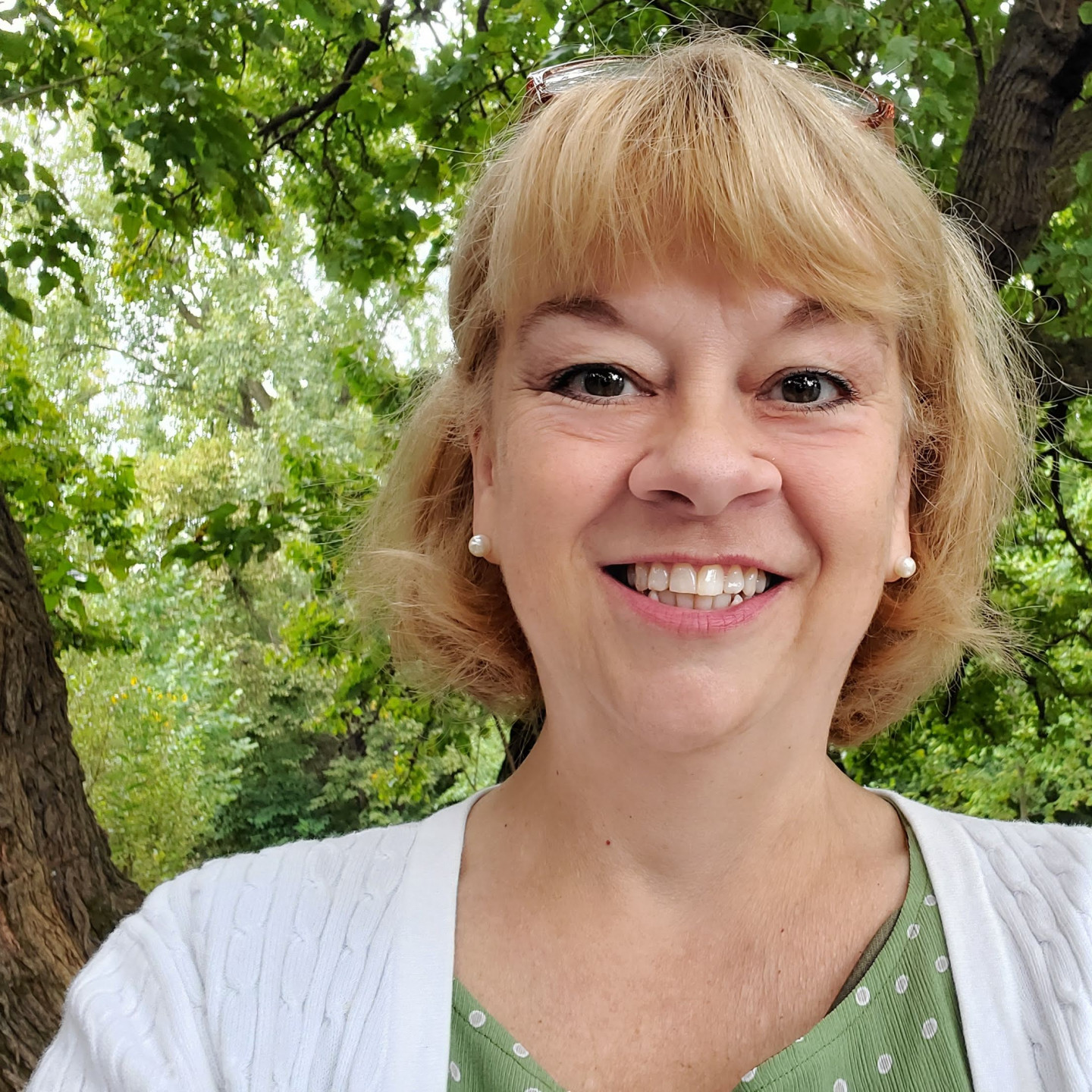
Fulbright Scholar 2022
I received a Fulbright US Scholars award to work in Lisbon, Portugal for three months, hosted by ISCTE-Instituto Universitário de Lisboa in their Business Research Unit. My Fulbright project, “Leveling Up: Enhancing Portugal’s Achievement of Industrial Performance Improvements,” consisted of action research investigations conducted within four Portuguese companies in which researchers (i.e., faculty and master’s students embedded within the organizations) worked closely with organizational representatives to examine a pressing problem (e.g., excessive process cycle time, numerous defects/errors, poor customer satisfaction) and worked together to implement changes that improved process performance.
I received a Fulbright US Scholars award to work in Lisbon, Portugal for three months, hosted by ISCTE-Instituto Universitário de Lisboa in their Business Research Unit. My Fulbright project, “Leveling Up: Enhancing Portugal’s Achievement of Industrial Performance Improvements,” consisted of action research investigations conducted within four Portuguese companies in which researchers (i.e., faculty and master’s students embedded within the organizations) worked closely with organizational representatives to examine a pressing problem (e.g., excessive process cycle time, numerous defects/errors, poor customer satisfaction) and worked together to implement changes that improved process performance.
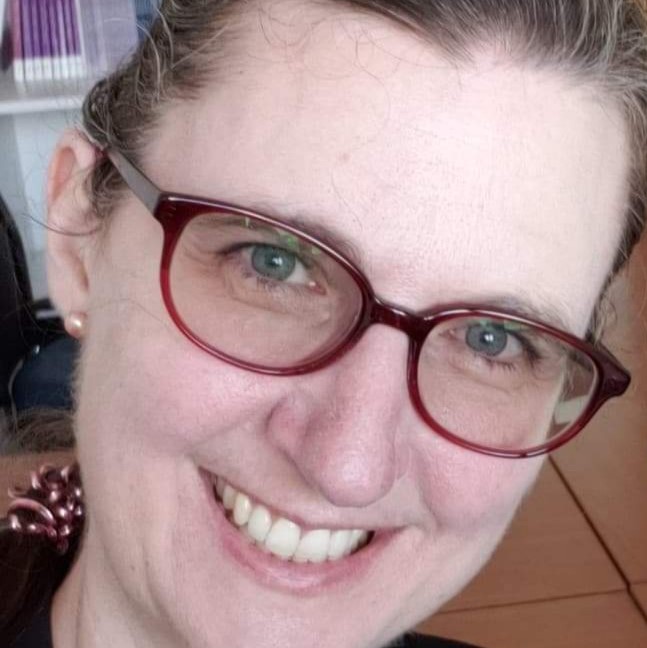
Fulbright Scholar 2022
The PhD program in Management at Iscte was a wonderful experience for me. It provided essential knowledge and skills that helped me to grow academically, professionally, and personally. I benefited from learning and collaborating with outstanding teachers and researchers who stimulated my intellectual curiosity with unparalleled support. During my PhD, I participated in several national and international scientific events with the support of BRU-Iscte. I would strongly recommend Iscte and the PhD program in Management to anyone interested in acquiring the necessary skills to engage in high-quality research.”
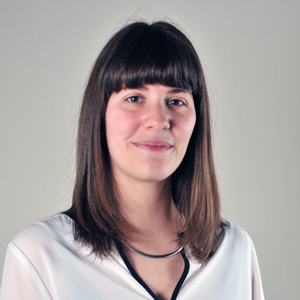
Inês Carneiro e Sousa
Doctor of Philosophy in Management

The PhD Program provided a wide range of learning experiences, provocative and challenging enough to make me float out of my comfort zone. Highly qualified faculty members and a top-quality teaching and research facilities, together with an outstanding group of international fellow students were, perhaps, the most relevant aspects of my whole experience. The Program in Management is a unique opportunity to be intellectually challenged with the most recent management issues, current knowledge, and research topics.”
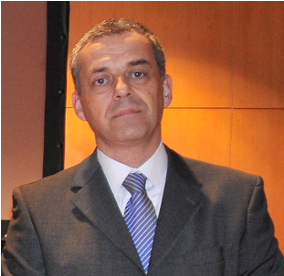
Fernando Angelino
Doctor of Philosophy in Management
BRU-Iscte in numbers
Excellent
FCT Grade 2019